How to Create Your Own White Label Oil Line
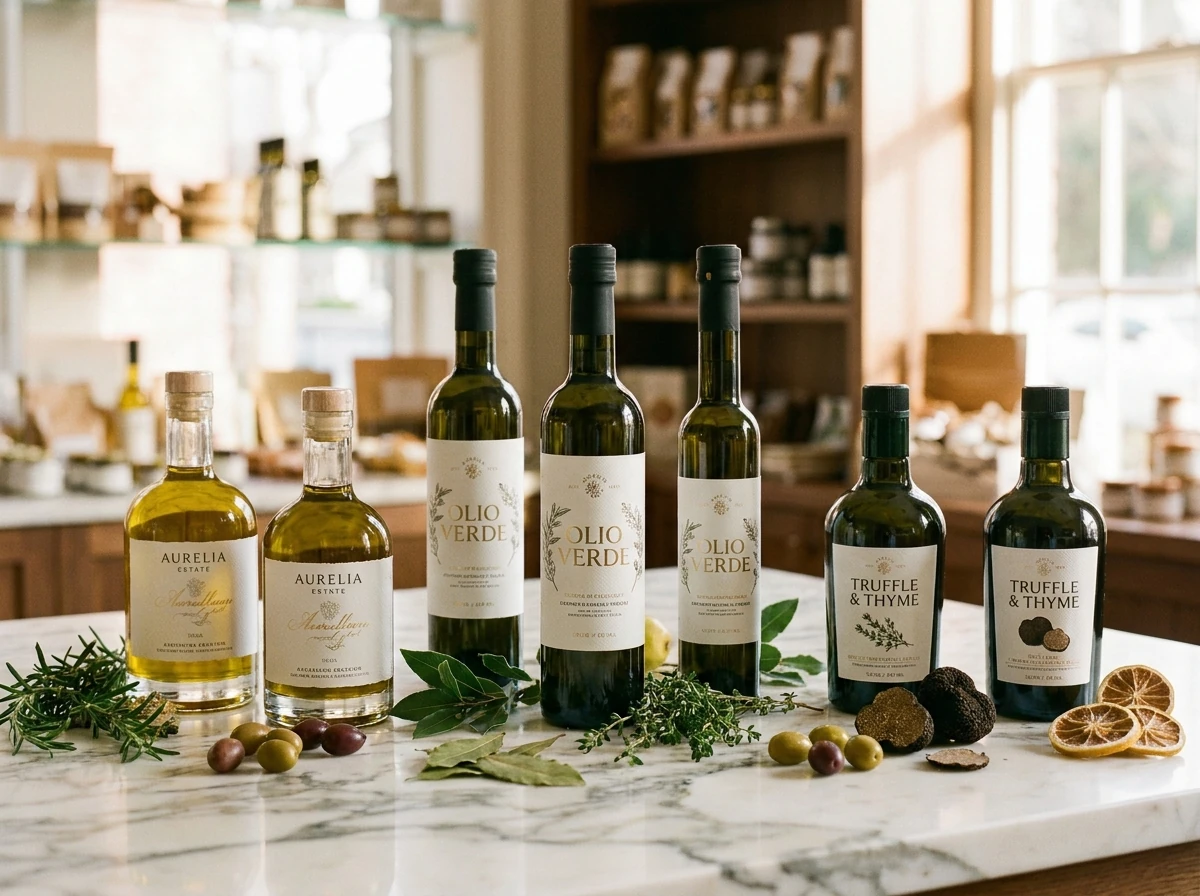
What Is White Label and Why Is the Oils Sector Ideal?
White labeling means selling a product manufactured by a third party under your own brand. In the oils sector — whether olive, coconut, sunflower, avocado, or other types — this model lets you launch your own product line without building a production plant. All you need is a reliable supplier, attractive packaging design, and a distribution strategy.
The global premium vegetable oils market exceeds $25 billion annually and continues to grow, driven by demand for healthy, organic, and gourmet products. It is an accessible niche with strong prospects for commercially minded entrepreneurs.
Choose the Right Oil for Your Market
The first step is defining which type of oil you want to sell and which market segment you want to target. A premium extra virgin olive oil for the gourmet channel is a completely different proposition from a refined sunflower oil for mass distribution. Each type has its own certification requirements, packaging, pricing, and sales channel considerations.
- Olive oil: high demand, intense competition — margin lies in quality and origin traceability
- Coconut oil: organic and cosmetic market, excellent for a premium brand
- Avocado oil: rising trend in healthy cooking and natural cosmetics
- Seed oils: sunflower, corn, soy — volume and mass distribution
How to Find a White Label Supplier
The main producing countries for white label oils are Spain, Italy, and Turkey (olive), the Philippines and Sri Lanka (coconut), Mexico (avocado), and Ukraine and Argentina (sunflower and soy). You can find producers through specialized trade fairs like Anuga or SIAL, or sourcing platforms such as Alibaba and Europages.
Always request product samples and lab analyses certifying composition, acidity, peroxide value, and absence of adulterants. This data will be essential for obtaining health registrations in the destination country.
Packaging Design and Health Registration
Packaging is the consumer's first point of contact with your brand. Invest in professional design that communicates your product's values. Common format options include dark glass bottles, PET containers, or tins, in sizes from 250 ml to 5 liters depending on the channel.
Health registration or marketing authorization is mandatory in most countries before a product can be sold. Work with a local consultant to streamline this process and ensure labeling complies with destination country regulations: nutritional information, language, expiration date, and more.
Pricing Strategy and Sales Channels
White label oil margins typically range from 30 to 60%, depending on product positioning. The most profitable channels to start with are gourmet and health stores, your own e-commerce or marketplaces like Amazon, and mid-to-high-end restaurants and hotels.
Mass retail requires higher minimum volumes and tighter margins but offers visibility and scalability. Consider this channel once you've validated the product and demand in smaller channels first.
Xportprise: Your Import Partner for Oils
At Xportprise, we connect entrepreneurs with verified oil producers worldwide, manage import logistics, and help navigate customs processes. If you're ready to launch your own oil brand, contact us today.