Importing from China: A Guide for Entrepreneurs
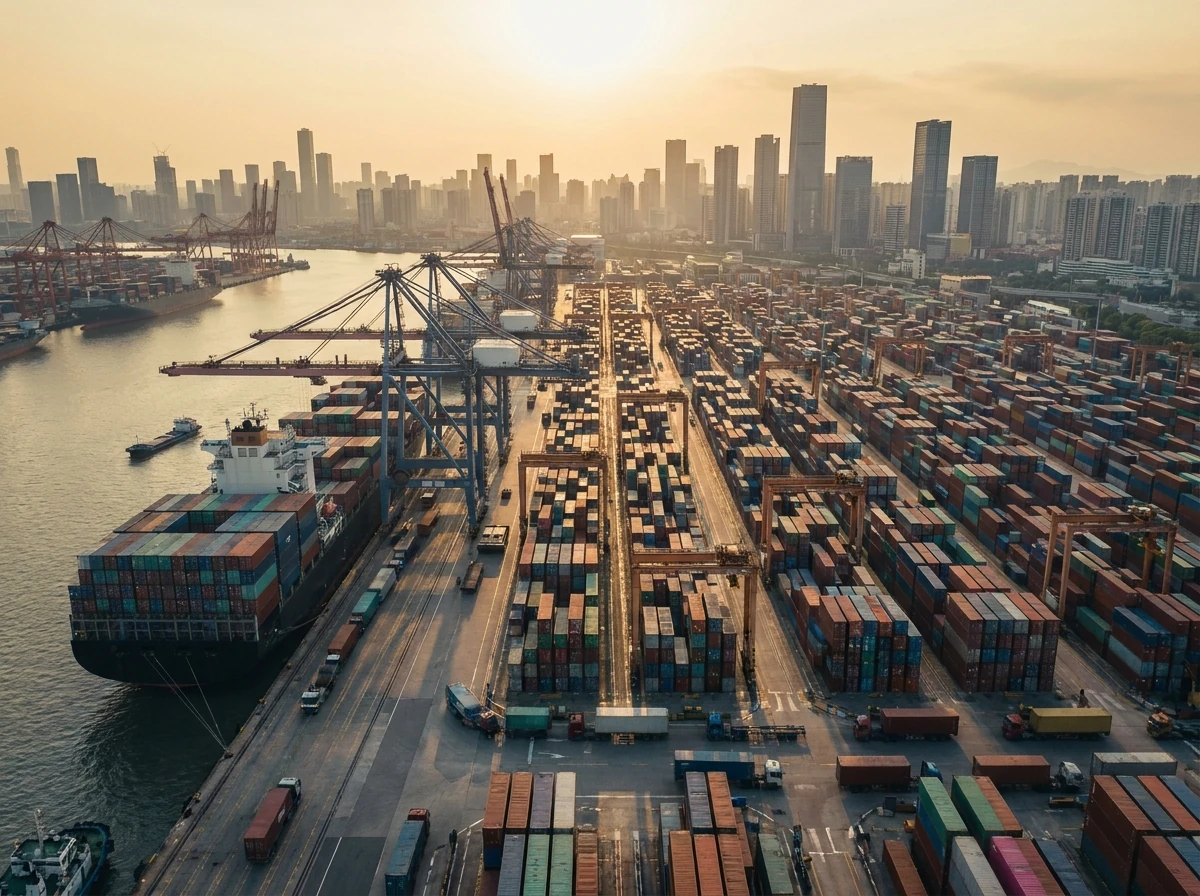
Why China Is the World's Most Competitive Supplier
China accounts for more than 28% of global manufacturing output. Its industrial infrastructure, production scale, and access to raw materials make it the go-to source for almost any type of product: electronics, machinery, textiles, construction materials, oils, packaging, and much more.
For Latin American and Caribbean entrepreneurs, importing from China means accessing prices that can be 40 to 70 percent lower than local market rates, enabling competitive margins or simply making a business viable when it otherwise wouldn't be.
Step 1: Define Your Product and Validate the Market
Before sending your first message to a Chinese supplier, answer these questions: Is there real demand for the product in your market? Who are your competitors and how are they sourcing? What is your differentiating advantage — price, quality, or exclusive design?
Also define the minimum volume you're willing to handle. Most Chinese manufacturers set a minimum order quantity (MOQ) of 200 to 1,000 units, though they are often more flexible on initial orders if you demonstrate future purchasing potential.
Step 2: Find and Evaluate Suppliers
The three main platforms for sourcing from China are Alibaba, Global Sources, and Made-in-China. Always filter for "Verified Supplier" or "Gold Supplier" certified vendors, and review ratings, years of activity, and completed transactions.
- Request samples before committing to any large order. The sample cost is typically borne by the buyer, but it prevents larger losses down the line.
- Communicate directly via email or WhatsApp to evaluate the supplier's responsiveness and professionalism.
- Visit the Canton Fair (Guangzhou, held twice a year) if you want to build direct relationships and see products in person.
Step 3: Quality Control Before Shipment
Quality control is the most critical point of any import from China. Hiring an independent inspection company, such as SGS or Bureau Veritas, to visit the factory before shipment can prevent costly mistakes. Make sure the product complies with destination country regulations: CE certifications, FDA standards, local safety requirements, and required labeling.
Define an AQL (Acceptable Quality Level) with your supplier before production so both parties have clear standards for lot acceptance and rejection.
Step 4: Logistics and Customs
Ocean freight is the most economical option for medium and large volumes. A 20-foot container takes 25 to 45 days from Chinese ports to major Latin American and Caribbean ports. For small volumes or urgent shipments, air freight cuts transit to 5-10 days but at significantly higher cost.
Always work with a licensed customs broker in the destination country. They handle correct tariff classification, import duty calculations, and ensure the cargo clears customs without unnecessary delays.
Costs to Budget For
- FOB price: cost of the product at the Chinese departure port
- International freight: ocean or air depending on your needs
- Cargo insurance: typically 1-2% of cargo value
- Duties and taxes: vary by product and destination country
- Port and storage fees: at destination
- Local transport: from port to your warehouse or point of sale
Your First Order: Start Small and Learn
The most common mistake first-time importers make is over-stocking. Start with a test order to evaluate supplier quality, lead times, and market acceptance. Document everything in writing: technical specifications, quantities, delivery terms, payment conditions, and defect policies.
At Xportprise, we connect buyers with verified global suppliers and support the entire logistics and customs process. If you're ready to take the step, contact us and tell us what you want to import.